Choosing the Right Pergola Design for Your Backyard
A well-designed pergola can completely transform a backyard, turning an ordinary outdoor space into a functional and visually appealing extension of a home. As outdoor living continues to gain importance in modern landscaping and home improvement trends, pergolas have become a central design feature for homeowners seeking comfort, shade, and style. Beyond aesthetics, a thoughtfully chosen pergola design enhances usability, increases property value, and creates a defined outdoor zone for relaxation or entertainment. It also helps establish a seamless connection between indoor comfort and outdoor living spaces.
Selecting the right pergola, however, is not a simple design decision. It involves careful consideration of architecture, space availability, climate conditions, and intended usage. With a wide range of materials, styles, and configurations available, the process can feel overwhelming without proper guidance. Each design choice directly influences durability, maintenance needs, and overall outdoor experience. Proper planning ensures the structure remains both functional and visually balanced for years.
This blog explores how to choose the right pergola design for a backyard by breaking down essential factors such as structure types, material selection, functional requirements, and aesthetic alignment. By understanding these core elements, homeowners can make informed decisions that balance beauty and practicality. Whether the goal is a shaded retreat, an entertainment hub, or a garden focal point, the right pergola design ensures the backyard becomes a more comfortable and inviting space year-round. It also helps maximize outdoor usability across different seasons effectively.
1. Understanding Pergola Design Fundamentals
Structural Purpose and Functionality
A pergola serves as more than a decorative structure; it defines outdoor space while offering partial shade and architectural depth. The open-roof design allows airflow while still filtering sunlight, making it ideal for warm climates. Functionally, pergolas can support climbing plants, lighting systems, or retractable canopies, depending on the intended use.
Open vs. Covered Designs
Open pergolas feature slatted roofs that provide partial shade, while covered variations incorporate fabric, polycarbonate sheets, or retractable panels for enhanced weather protection. Choosing between these depends on exposure to sunlight, rainfall levels, and how frequently the space will be used throughout the year.
Fixed vs. Adjustable Structures
Fixed pergolas offer long-term stability and minimal maintenance, while adjustable systems allow flexibility in shading. Motorized louvered roofs, for instance, provide control over sunlight and ventilation, making them suitable for dynamic outdoor lifestyles.
Key Insight for Selection
The foundation of pergola design lies in aligning structure with purpose. A visually appealing pergola that lacks functional alignment often leads to underutilization, while a well-planned structure becomes an integral part of daily outdoor living.
2. Choosing the Right Material for Durability and Style
Wooden Pergolas for Natural Appeal
Wood remains a popular choice due to its warm, organic appearance. It blends seamlessly with gardens and traditional landscapes. Cedar and teak are commonly preferred for their natural resistance to decay. However, wood requires periodic sealing and maintenance to preserve its integrity. This makes it ideal for those who value authenticity and natural aesthetics in outdoor living.
Metal Pergolas for Modern Strength
Aluminum and steel pergolas offer a sleek, contemporary look with high durability. These materials resist rust, pests, and weather damage, making them ideal for long-term installations. Powder-coated finishes enhance both aesthetics and protection. Their structural strength also supports larger spans and modern architectural designs effectively.
Vinyl Pergolas for Low Maintenance
Vinyl is an increasingly popular option due to its minimal upkeep requirements. It does not rot, warp, or require painting, making it suitable for homeowners prioritizing convenience over customization. Its clean finish also maintains a consistent appearance for years without significant upkeep or seasonal treatments.
Hybrid Material Designs
Modern pergola designs often combine materials, such as aluminum frames with wooden accents, to achieve both durability and aesthetic warmth. These hybrid structures allow greater design flexibility while addressing performance needs. This approach also helps balance modern engineering with natural visual appeal effectively.
Material Selection Strategy
Choosing the right material involves balancing climate conditions, maintenance expectations, and visual preferences. A well-matched material ensures longevity and consistent performance without compromising design appeal. Careful selection also improves structural resilience against seasonal changes and environmental stress factors.
3. Matching Pergola Design with Backyard Layout
Assessing Available Space
The size and shape of a backyard play a critical role in pergola selection. Compact spaces benefit from minimalist designs, while larger areas can accommodate expansive, multi-functional structures. Proper measurement ensures proportional balance and avoids overcrowding. This step helps maximize usable space efficiently and effectively.
Integration with Existing Landscaping
Pergolas should complement existing features such as gardens, patios, pools, or walkways. Strategic placement enhances flow and creates natural transitions between outdoor zones. A well-integrated design improves visual harmony while maintaining functional accessibility throughout the entire backyard layout seamlessly.
Freestanding vs. Attached Structures
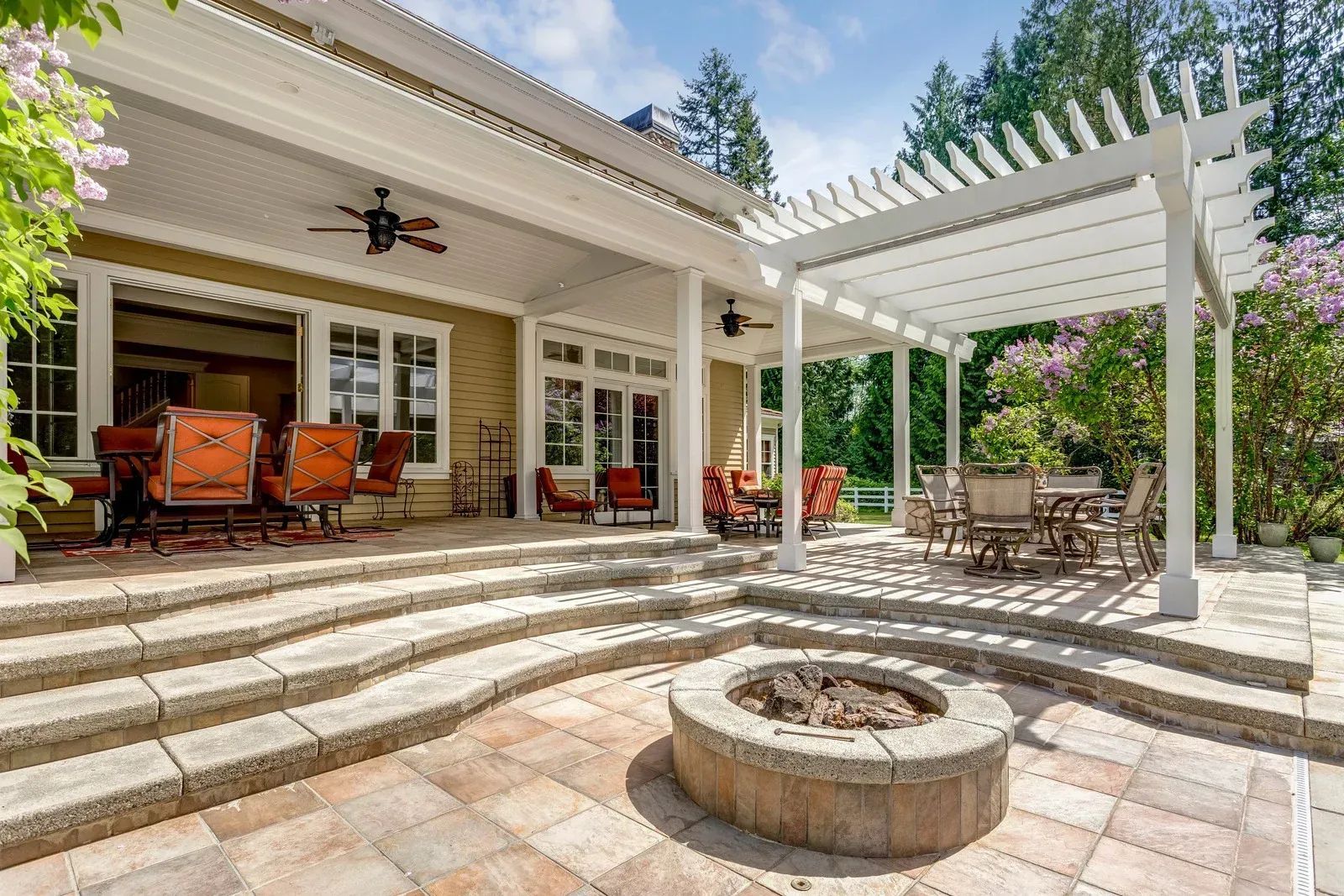
Freestanding pergolas provide flexibility in placement and are ideal for open gardens or poolside areas. Attached pergolas extend directly from the home, creating a seamless indoor-outdoor connection and increasing usable living space. Each option serves distinct functional and architectural design preferences effectively.
Creating Functional Zones
A pergola can define specific backyard zones such as dining areas, lounges, or outdoor kitchens. This zoning approach improves organization and maximizes usability without requiring additional structural elements. It also helps create purposeful outdoor environments tailored to specific lifestyle activities.
Layout Optimization Approach
Successful integration depends on aligning pergola scale and placement with overall landscape design. A balanced layout ensures the structure enhances rather than overwhelms the backyard environment. Proper optimization also improves movement flow and enhances long-term outdoor usability and comfort significantly.
4. Enhancing Comfort Through Functional Add-Ons
Shade and Weather Control Options
Adding retractable canopies, adjustable louvers, or shade sails improves comfort during varying weather conditions. These features allow users to control sunlight exposure and temperature levels effectively. They also extend usability across different seasons, ensuring consistent outdoor enjoyment throughout the year.
Lighting Integration for Evening Use
Built-in lighting systems such as LED strips, pendant lights, or solar fixtures extend usability into nighttime hours. Proper lighting also enhances ambiance and safety. Thoughtful placement creates a warm, inviting atmosphere suitable for gatherings, relaxation, or late-evening outdoor dining experiences.
Privacy Enhancements
Side screens, lattice panels, or vertical gardens can provide privacy without compromising airflow. These additions are especially useful in urban or closely spaced residential areas. They also contribute to aesthetic appeal while maintaining a comfortable and secluded outdoor environment effectively.
Heating and Cooling Features
For year-round usability, outdoor heaters or misting systems can be incorporated. These upgrades ensure comfort during extreme weather conditions, expanding the functional season of the pergola. Such features make outdoor spaces more adaptable and enjoyable regardless of temperature variations.
Practical Enhancement Strategy
Functional add-ons should align with lifestyle needs rather than aesthetic overload. Each addition should serve a clear purpose, enhancing comfort while maintaining design harmony. A balanced approach ensures the pergola remains both practical and visually appealing over time.
5. Aligning Pergola Design with Aesthetic Style
Modern Minimalist Designs
Clean lines, neutral tones, and geometric forms define modern pergolas. These designs complement contemporary homes and emphasize simplicity and functionality. Their understated elegance enhances outdoor spaces without overpowering surrounding architectural elements or landscape features significantly.
Rustic and Traditional Styles
Wooden beams, natural finishes, and decorative detailing characterize rustic pergolas. They work well with garden-heavy landscapes and classic home exteriors. This style creates a warm, inviting atmosphere that blends naturally with organic outdoor surroundings and traditional design themes.
Mediterranean-Inspired Structures
Arched beams, climbing vines, and warm tones reflect Mediterranean design influences. These pergolas create a relaxed, resort-like atmosphere in residential backyards. The design often emphasizes comfort, leisure, and a strong connection between indoor and outdoor living spaces beautifully.
Custom Design Considerations
Custom pergolas allow homeowners to blend multiple styles or incorporate unique architectural elements. This approach ensures the structure aligns perfectly with personal taste and home design. Customization also enables greater flexibility in functionality, scale, and decorative detailing choices.
Aesthetic Consistency Principle
Maintaining consistency between pergola design and home architecture is essential. A well-matched aesthetic enhances visual harmony and contributes to long-term property value. This alignment ensures the outdoor structure feels like a natural extension of the overall home design system.
Reliable Pergola Designers Enhancing Outdoor Comfort Spaces
Choosing the right pergola design requires a balance of structure, material, layout, functionality, and aesthetics. Each decision directly influences how effectively the outdoor space can be used and enjoyed. A thoughtfully planned pergola enhances comfort, defines outdoor zones, and strengthens the visual appeal of a backyard. From material selection to integrated features, every detail contributes to long-term satisfaction and usability.
A successful pergola design is not only about appearance but also about adaptability to lifestyle needs and environmental conditions. When these elements are aligned, the backyard becomes a more practical and inviting extension of the home. Careful planning ensures durability, reduced maintenance challenges, and improved outdoor living experiences throughout the year.
Backyard Builders Decks and Outdoor Living
brings 15
years of experience in crafting tailored outdoor structures that align with functional needs and design expectations. Based in Lyman, South Carolina, we specialize in creating pergola solutions that enhance outdoor living spaces with precision and craftsmanship. Our approach focuses on understanding individual requirements and translating them into durable, visually appealing structures that elevate backyard environments.