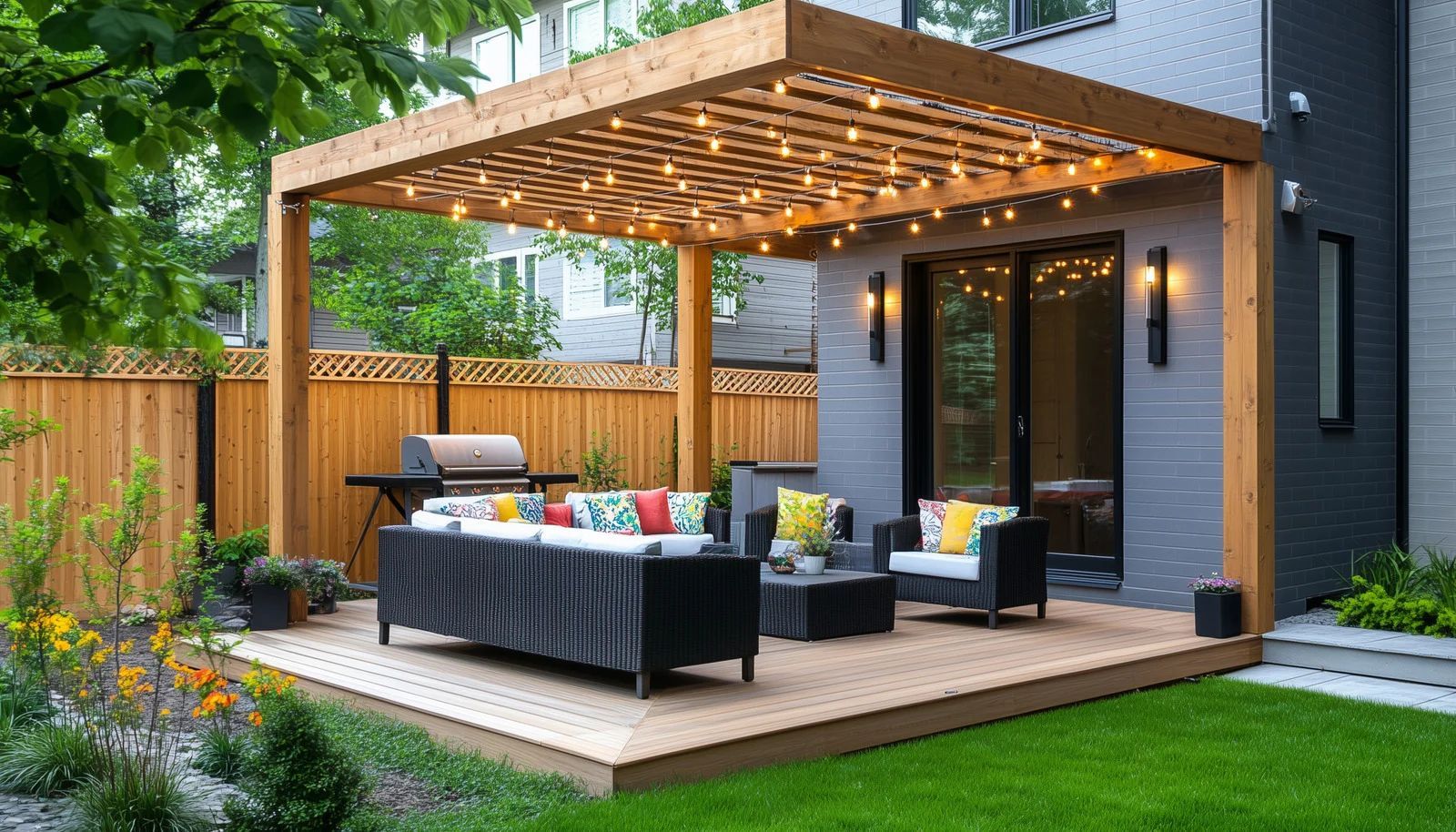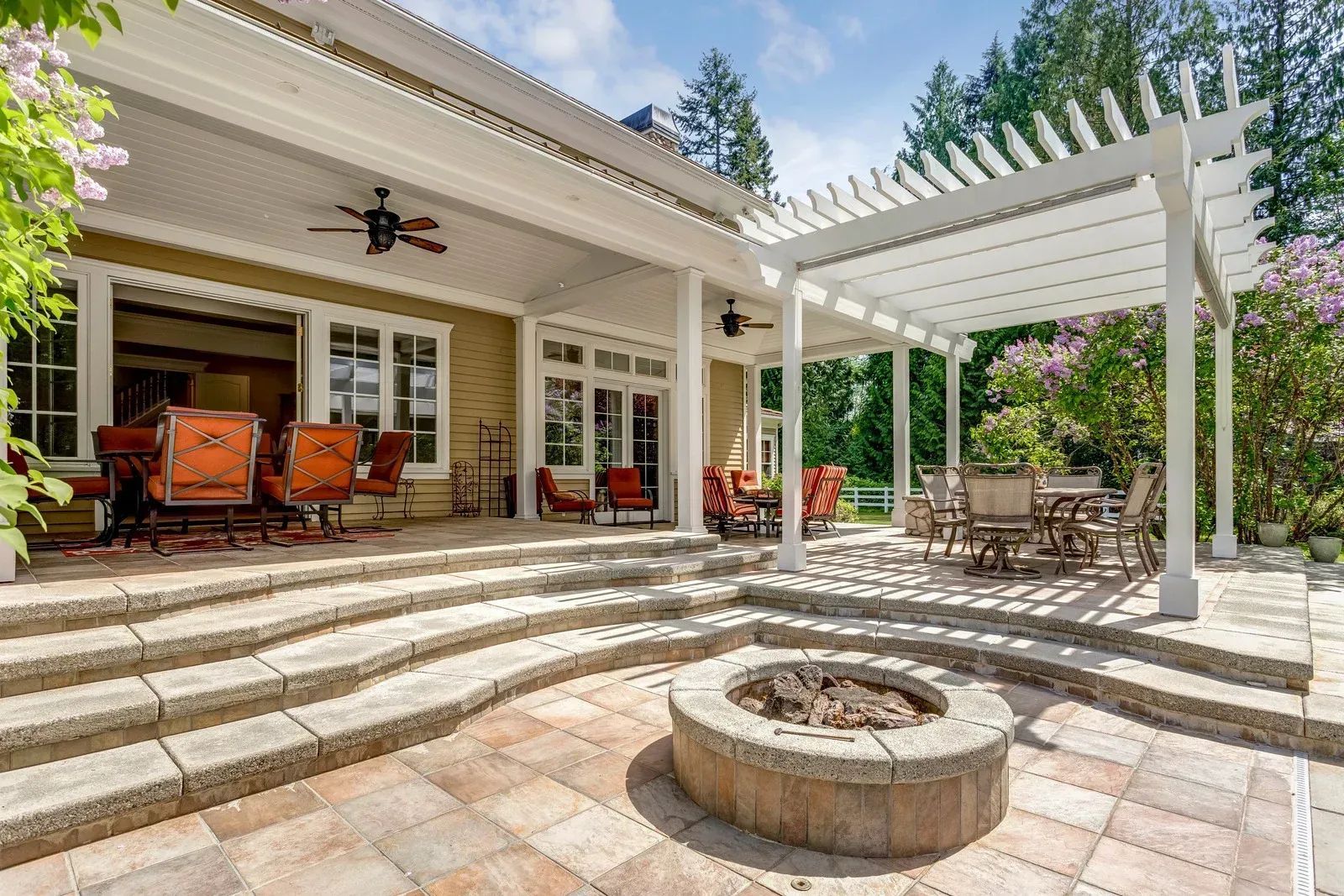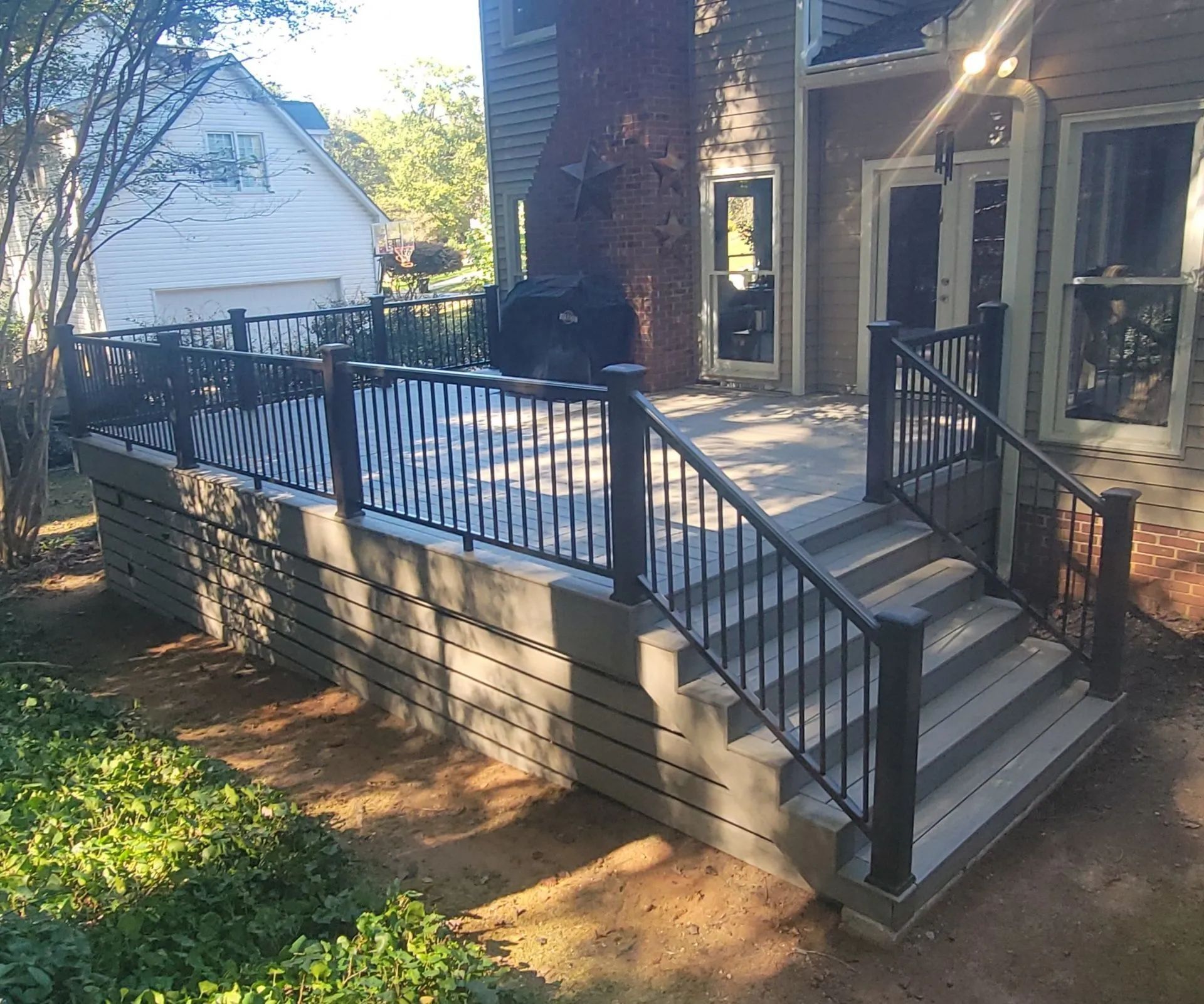
Wood vs. Composite Decks: Which Material Is Right for You?
Outdoor living spaces have become an essential part of modern homes, offering homeowners a place to relax, entertain, and enjoy nature from the comfort of their property. Among the key elements that define these spaces, the choice of decking material is critical—not only for aesthetic appeal but also for durability, maintenance, and overall investment value. With a wide variety of options available, homeowners often find themselves deliberating between traditional wood decks and modern composite alternatives. Understanding the differences between these materials can help you make an informed decision that aligns with your lifestyle, budget, and long-term goals.
Choosing the right decking material involves more than simply picking what looks attractive. Wood decks bring natural beauty and warmth, but they require consistent upkeep. Composite decks, on the other hand, promise low maintenance and enhanced longevity, but come with a higher upfront cost. Evaluating the pros and cons of each option is crucial for homeowners seeking a deck that not only complements their outdoor space but also withstands weather, wear, and time. In this article, we will explore the features, benefits, drawbacks, and real-world considerations of wood and composite decks, providing actionable insights to help you determine which material is best suited for your home.
Understanding Wood Decks
Types of Wood Used in Decking
Wood has been the traditional choice for decking for centuries, thanks to its natural beauty, versatility, and warmth. Common wood types used in decking include pressure-treated pine, cedar, redwood, and tropical hardwoods like ipe. Pressure-treated pine is the most affordable option and is treated to resist rot, insects, and decay, making it suitable for most climates. Cedar and redwood are naturally resistant to decay and insects, offering a more aesthetically appealing choice with unique color variations. Tropical hardwoods, while premium in cost, are exceptionally dense, durable, and resistant to weathering.
Benefits of Wood Decks
One of the main appeals of wood decking is its natural appearance. The organic textures, grain patterns, and warm hues complement virtually any outdoor design style, from rustic to contemporary. Wood decks also provide a cooler surface during hot summers compared to some composite options, and they are easier to customize through cutting, staining, or painting. Additionally, wood is biodegradable and renewable when sourced sustainably, appealing to environmentally conscious homeowners.
Challenges and Maintenance
Despite their beauty, wood decks come with certain responsibilities. They are susceptible to moisture, rot, insect damage, and UV fading. Regular maintenance is essential, including cleaning, sanding, sealing, and staining every 1–3 years, depending on the wood type and exposure. Failing to maintain a wood deck can result in splintering, warping, and structural damage. Homeowners should also inspect boards and fasteners annually to ensure safety and longevity
Exploring Composite Decks
What Are Composite Decks?
Composite decking is engineered from a combination of wood fibers and recycled plastics, designed to mimic the look of natural wood while offering enhanced durability. This hybrid material provides homeowners with a low-maintenance solution that resists rot, splintering, and insect damage, making it ideal for high-traffic outdoor spaces. Modern composites also come in a wide range of colors, textures, and finishes, closely resembling traditional wood without the upkeep.
Advantages of Composite Decking
Composite decks are favored for their longevity and convenience. Unlike wood, composite boards do not require frequent staining, sealing, or painting, significantly reducing maintenance time and costs. They are highly resistant to fading, scratching, and moisture damage, making them ideal for humid or rainy climates. Many composite products also include protective caps or coatings, further enhancing durability and stain resistance. Additionally, composite decks are often eco-friendly, incorporating recycled materials that reduce the environmental impact compared to freshly harvested wood
Limitations and Considerations
While composite decks offer many benefits, they do have drawbacks. The initial cost is typically higher than wood, which may be a consideration for budget-conscious homeowners. Composite boards can also retain heat more than natural wood, becoming warm under direct sunlight. Furthermore, while high-quality composites are durable, they may still expand and contract with temperature fluctuations, requiring careful installation and spacing. Scratches or gouges, though less common, can be more challenging to repair compared to wood.
Best Practices
When installing composite decking, it is important to follow manufacturer guidelines for spacing, fasteners, and ventilation to prevent warping and ensure proper drainage. Cleaning the deck with a mild detergent and water, along with periodic inspections for debris accumulation, helps maintain appearance and performance. Selecting a reputable composite brand with a strong warranty can provide additional peace of mind and long-term value.
Environmental and Sustainability Considerations
Upfront Costs
Cost is often a determining factor when choosing decking materials. Wood decks generally have a lower upfront price, especially with pressure-treated options, making them attractive for homeowners with budget constraints. High-end hardwoods like ipe or mahogany can, however, approach or exceed composite deck prices. Composite decks, while more expensive initially, offer long-term savings due to reduced maintenance and longer lifespan
Longevity and Durability
Wood decks typically last 10–20 years with proper care, depending on wood type and climate. Tropical hardwoods can extend this lifespan to 25–30 years. Composite decks often have warranties ranging from 25–50 years, with materials designed to withstand weather, moisture, and insect exposure without significant deterioration. This longevity can offset the higher initial investment.
Maintenance Demands
Maintenance is another crucial factor. Wood requires regular cleaning, sealing, and occasional board replacement to prevent decay and maintain appearance. Composite decking, while not maintenance-free, requires minimal effort—usually just occasional washing and removing debris. This makes composite decks especially appealing for busy homeowners who prefer a low-maintenance lifestyle.
Aesthetic Appeal and Design Flexibility
Visual Characteristics
Wood offers unmatched natural beauty, with each board showcasing unique grain patterns, knots, and color variations. Homeowners can stain or paint wood to match their landscape or architectural style, allowing for complete customization. Over time, wood can develop a weathered patina that adds charm and character.
Composite decking mimics the appearance of wood, often featuring realistic grain textures and multiple color options. Some composites are designed with dual-sided boards, allowing homeowners to choose between smooth and textured surfaces. Composite colors are more fade-resistant, maintaining their vibrancy longer than natural wood.
Design Flexibility
Both materials allow creative designs, including multi-level decks, intricate patterns, and integrated features like benches, planters, and lighting. Wood offers more flexibility for modifications, such as cutting custom shapes or adding decorative elements. Composite boards are somewhat more rigid, so while installation can be straightforward, creative modifications may require specialized tools or professional assistance
Expert Insight
Design decisions often balance aesthetic goals with maintenance and durability considerations. Homeowners seeking natural warmth and a customizable look may favor wood, while those prioritizing long-term appearance and low upkeep may lean toward composite decking.
Environmental and Sustainability Considerations
Wood Decking and Sustainability
Sustainably sourced wood can be an environmentally responsible choice. Certifications like FSC (Forest Stewardship Council) ensure that the wood comes from well-managed forests, preserving biodiversity and reducing deforestation. Wood is biodegradable, and old boards can often be repurposed or recycled. However, chemical treatments used in some pressure-treated woods may pose environmental concerns if not handled properly.
Composite Decking and Eco-Friendliness
Composite decks are typically made from recycled wood fibers and plastics, reducing the demand for virgin materials. This approach not only diverts waste from landfills but also minimizes the environmental impact of timber harvesting. While composites are long-lasting and low-maintenance, they are not biodegradable, and disposal at the end of their life cycle may require special recycling processes
Decision-Making Tip
Homeowners weighing sustainability factors should consider both material sourcing and long-term durability. Choosing certified wood, or high-quality composites made with recycled materials, ensures that your deck aligns with environmentally responsible practices without compromising performance.
Trusted Decking Experts Crafting Outdoor Spaces Perfectly