Deck Design Ideas to Elevate Your Outdoor Entertainment Space
Outdoor living spaces have become more than just a luxury—they are an essential extension of modern homes. Homeowners increasingly seek versatile areas that combine relaxation, entertainment, and aesthetic appeal, and a well-designed deck serves as the perfect solution. Beyond providing a functional platform for gatherings, meals, or quiet retreats, decks can dramatically enhance property value, transform the look of a backyard, and create a seamless connection between indoor and outdoor living. For families, friends, and guests, a thoughtfully designed deck becomes a focal point for shared experiences and memorable moments.
Designing a deck for outdoor entertainment involves more than selecting wood or composite materials. It requires a careful balance of layout, functionality, style, and comfort. Factors such as lighting, seating arrangements, shade structures, and accessibility all play a role in shaping the overall experience. By exploring innovative deck design ideas, homeowners can craft spaces that are not only visually appealing but also highly practical for hosting gatherings or enjoying personal relaxation. In this blog, we’ll explore a variety of deck design strategies, offering actionable insights and expert tips that will help elevate any outdoor entertainment space.
1. Maximizing Space Through Layout and Zoning
Strategic Zoning for Functionality
Creating a deck that caters to multiple entertainment needs starts with thoughtful zoning. Dividing the deck into distinct areas—such as a dining zone, lounge space, and cooking area—ensures each function has adequate space while maintaining a cohesive design. For example, positioning a dining table near the house provides easy access to the kitchen, while placing a lounge area further out takes advantage of scenic views. Multi-level decks are particularly effective for zoning, as changes in elevation naturally delineate spaces without the need for physical barriers.
Flow and Accessibility Considerations
An effective layout prioritizes seamless movement between zones. Clear pathways prevent crowding and improve safety, especially when hosting larger gatherings. Designers often recommend maintaining at least three feet of clearance around major furniture pieces and integrating built-in benches or storage solutions to reduce clutter. Incorporating wide steps and railings that double as seating can further optimize space while enhancing usability.
Real-World Application
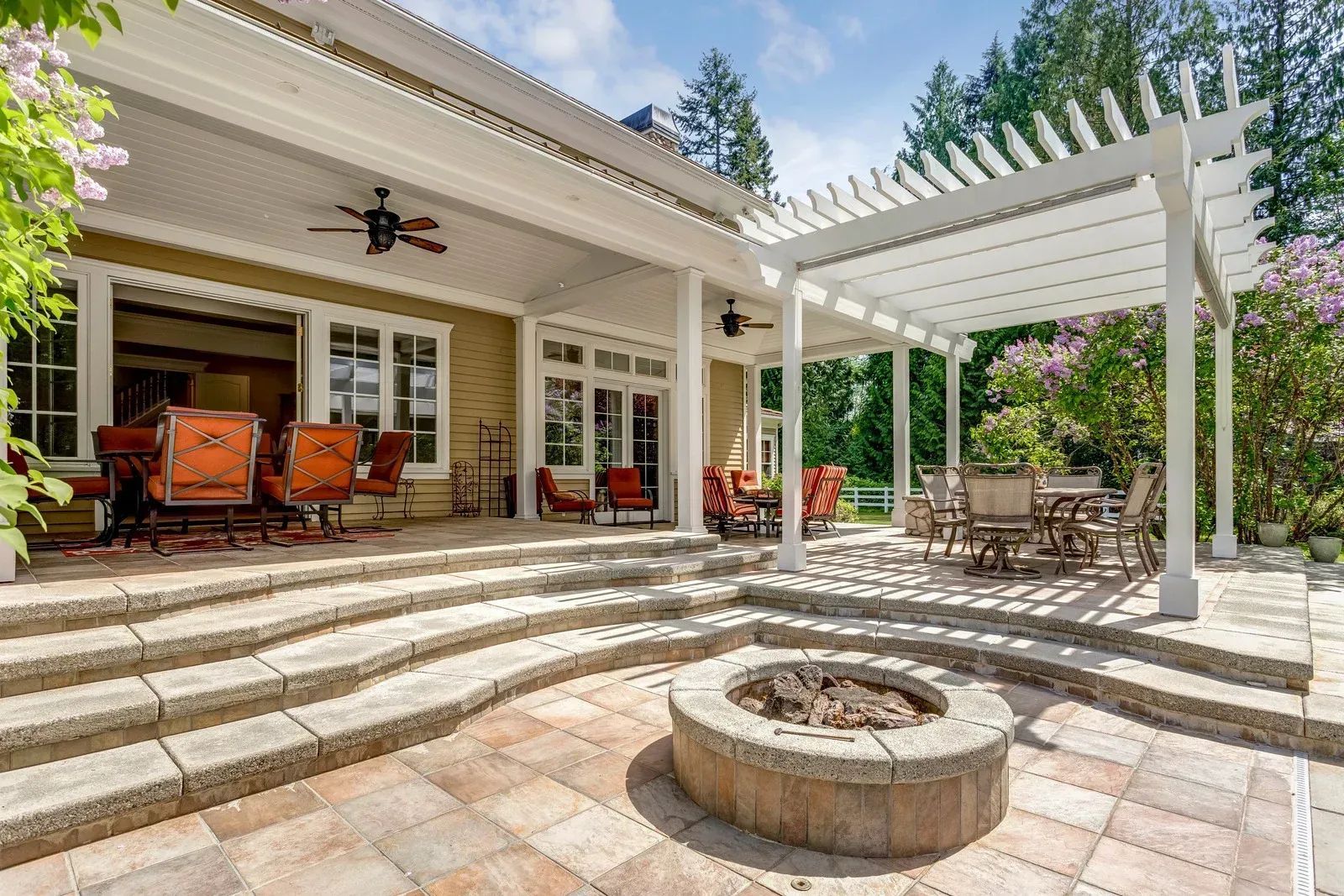
Consider a suburban backyard where a multi-level deck allows a BBQ area on the lower level and a fire pit lounge on the upper level. This approach maximizes space, keeps cooking odors separate from relaxation areas, and offers distinct vantage points for guests. The strategic zoning ensures that both large parties and small family gatherings feel comfortable and organized.
2. Selecting Materials for Longevity and Aesthetics
Choosing Between Wood and Composite
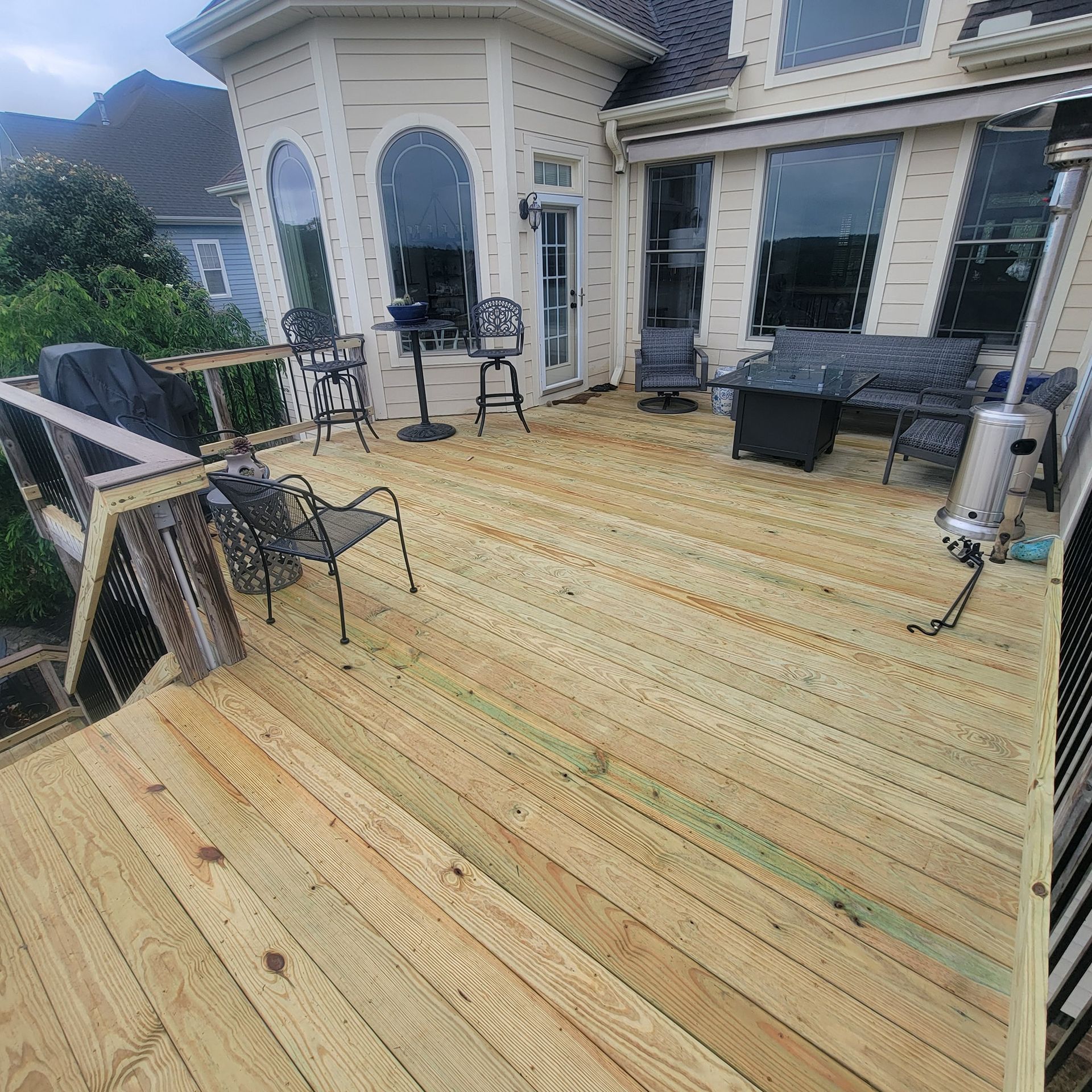
Material selection plays a crucial role in both the durability and appearance of a deck. Traditional wood, such as cedar, redwood, or pressure-treated pine, offers natural beauty and warmth but requires ongoing maintenance like staining and sealing. Composite materials, made from a blend of wood fibers and recycled plastics, are low-maintenance, resistant to rot and insects, and come in a variety of colors and textures. While composites tend to have a higher upfront cost, they often pay off in long-term durability and reduced upkeep.
Innovative Material Options
Beyond standard wood and composites, homeowners can explore alternatives such as PVC decking, aluminum, or tropical hardwoods like ipe. PVC decking is fully synthetic, highly resistant to moisture, and available in customizable colors. Aluminum provides a modern, lightweight solution that won’t warp or splinter, ideal for areas with high humidity. Tropical hardwoods, though pricier, offer exceptional longevity and a rich, exotic appearance that complements luxury outdoor entertainment areas.
Benefits and Challenges
Wood decks provide unmatched natural appeal and can be refinished over time to restore beauty. However, they require consistent maintenance and can be prone to fading or splintering. Composite materials reduce maintenance demands and resist environmental damage but may retain heat in direct sunlight and sometimes fade with prolonged UV exposure. Evaluating climate, budget, and desired maintenance levels is key to selecting the right material for an entertainment-focused deck.
3. Incorporating Lighting and Ambiance
Layered Lighting Design
Deck lighting is essential for both safety and atmosphere. Combining different types of lighting—ambient, task, and accent—creates a versatile environment that adapts to various activities. Ambient lighting, such as recessed deck lights or string lights, provides overall illumination, while task lighting focuses on specific areas like outdoor kitchens or dining tables. Accent lighting highlights architectural features, planters, or railings, adding depth and visual interest.
Smart and Sustainable Options
Advances in lighting technology allow for energy-efficient solutions that enhance the ambiance without increasing utility costs. Solar-powered deck lights, LED strips, and low-voltage systems are eco-friendly and easy to install. Smart lighting systems can be controlled remotely or set to schedules, ensuring the deck is well-lit only when needed.
Creating Mood and Safety
Proper lighting not only creates a welcoming atmosphere but also enhances safety by illuminating steps, railings, and pathways. A well-lit deck encourages longer evening use and reduces the risk of trips or falls during nighttime gatherings. For example, LED strip lights along stair edges or under bench seating subtly guide guests while maintaining a modern aesthetic.
4. Designing for Comfort and Functionality
Seating and Furniture Considerations
Comfortable seating is critical for an entertainment-focused deck. Modular furniture allows flexibility for different group sizes, while built-in seating with storage optimizes space. Using weather-resistant materials like teak, aluminum, or high-quality synthetic wicker ensures furniture withstands exposure to the elements. Adding cushions with removable, washable covers improves comfort and makes maintenance easier.
Shade and Weather Protection
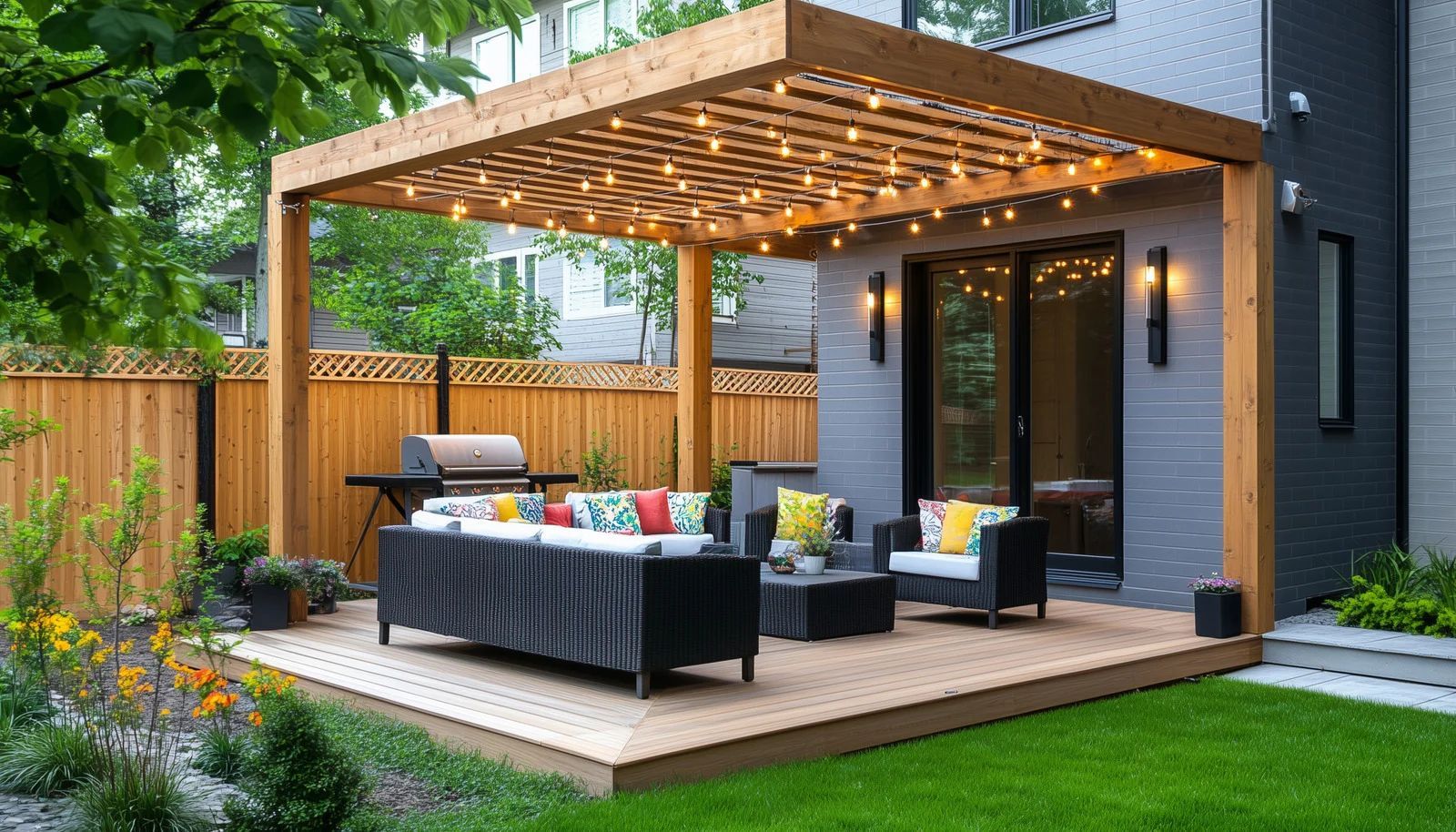
Protection from sun and rain extends the usability of a deck. Pergolas, retractable awnings, or shade sails provide shelter without compromising openness. In regions prone to intense sunlight, consider UV-resistant fabrics or lattice-style pergolas that filter light while maintaining airflow. Incorporating retractable screens or wind panels can also make the deck comfortable during breezy or cooler weather.
Practical Accessories
Including functional accessories enhances both convenience and aesthetic appeal. Outdoor rugs define seating zones and soften hard surfaces, while side tables, planters, and built-in bars add utility and charm. Outdoor kitchens, fire pits, or heating lamps expand the entertainment potential, allowing decks to function year-round. For instance, a built-in fire pit surrounded by modular seating creates a cozy focal point for evening gatherings.
5. Integrating Nature and Landscaping
Blending Decks with Surroundings
A deck should feel like a natural extension of the yard rather than an isolated platform. Incorporating landscaping elements such as planters, trellises with climbing plants, or surrounding flower beds helps achieve a harmonious look. Vertical gardens or raised planters can also add greenery without taking up valuable deck space.
Privacy and Screening Solutions
Privacy is a major consideration, especially in densely populated neighborhoods. Strategic use of lattice panels, privacy screens, or tall plants can create a secluded retreat. For rooftop or elevated decks, consider glass panels to maintain unobstructed views while providing safety and privacy.
Seasonal and Sensory Enhancements
Adding sensory elements such as aromatic plants, water features, or textured surfaces enhances the overall outdoor experience. Herb gardens or flowering shrubs not only provide fragrance but can also serve as conversation starters during gatherings. Seasonal adaptability, like movable planters or retractable pergolas, allows decks to evolve with changing weather conditions.
6. Modern Deck Features for Elevated Entertainment
Outdoor Kitchens and Bars
Incorporating an outdoor kitchen or bar transforms a deck into a fully functional entertainment hub. Built-in grills, refrigerators, and storage make cooking and serving convenient, while bar counters provide a social gathering point. Even a small deck can accommodate a compact kitchen island, emphasizing functionality without overwhelming the space.
Fire Features and Focal Points
Fire pits, chimineas, or modern fireplace installations create a central gathering area, encouraging longer use into the evening and cooler seasons. Electric or gas-powered fire features offer low-maintenance solutions with consistent performance. Integrating seating around the fire encourages social interaction and provides a cozy atmosphere.
Technology Integration
Modern decks can seamlessly incorporate technology for entertainment. Outdoor televisions, weatherproof speakers, and Wi-Fi-enabled lighting or heating systems allow homeowners to host movie nights, sports events, or background music sessions with ease. Concealed wiring and strategically placed outlets maintain a clean and organized appearance while enhancing functionality.
Real-World Example
A contemporary deck may feature a corner with an outdoor kitchen and bar, a central fire pit surrounded by modular seating, and an integrated sound system. Guests can enjoy cooking, dining, and conversation simultaneously without feeling cramped. This type of multifunctional setup exemplifies how thoughtful design elevates both utility and enjoyment.
Reliable Specialists Maximizing Outdoor Functionality And Style
Designing a deck for outdoor entertainment is about more than aesthetics; it requires a holistic approach that balances functionality, comfort, and style. From zoning and layout to material selection, lighting, and modern features, every decision contributes to a seamless outdoor experience. Integrating nature, privacy solutions, and adaptable furnishings ensures that the deck remains versatile and inviting throughout the year. Properly designed decks become central hubs for gatherings, celebrations, and relaxation, enhancing both property value and daily living enjoyment.
For homeowners seeking professional guidance, Backyard Builders Decks and Outdoor Living
in Lyman, South Carolina, offers 15
years of expertise in creating exceptional outdoor spaces. As a trusted deck builder, the company combines experience, innovative design, and attention to detail to transform ordinary backyards into entertainment-ready retreats. From custom layouts to high-quality materials, Backyard Builders ensures every deck is both functional and visually striking. Their client-focused approach guarantees that each project aligns with lifestyle needs, resulting in outdoor living spaces that are not only beautiful but also enduring and practical.